
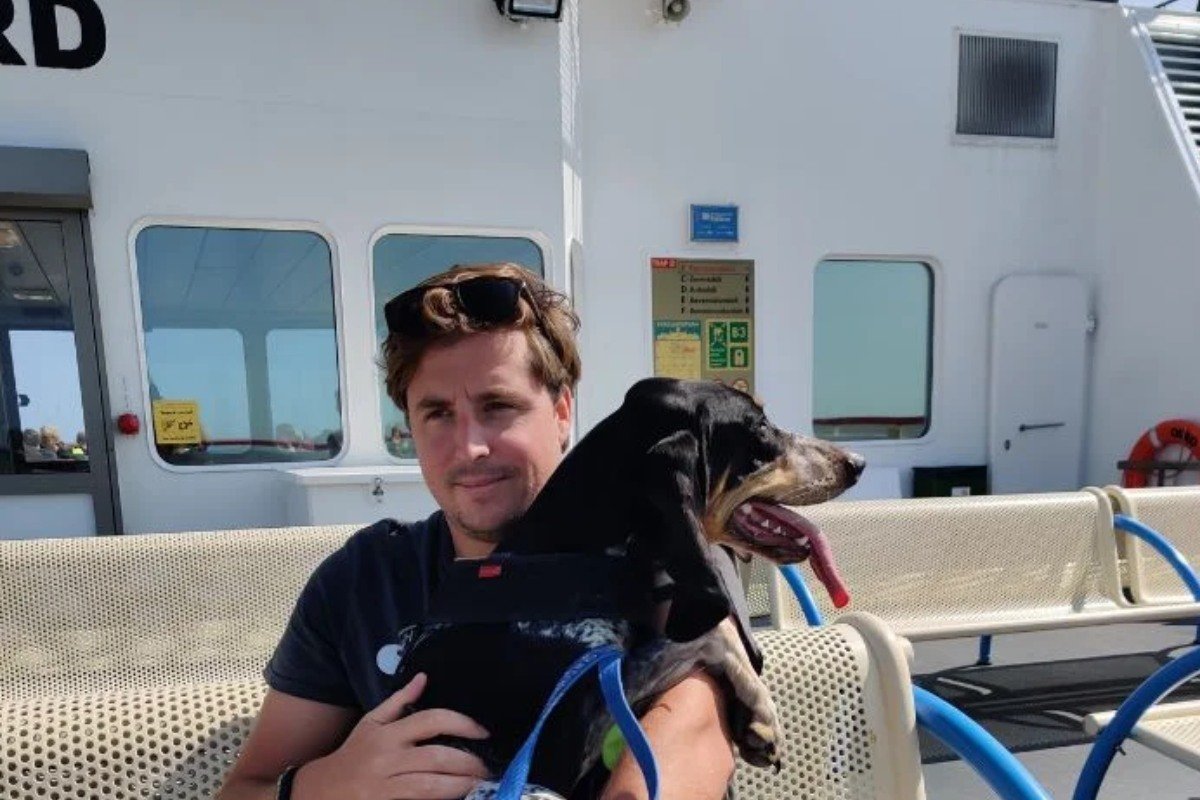
Many travelers wonder if they can bring their dog on a ferry, and in most cases, the answer is yes-but with certain conditions. For example, you may need to book a pet-friendly cabin or reserve a spot in the onboard kennel. On shorter trips, dogs can often stay in the car. However, if you're taking a longer journey, like to Alaska, a pet-friendly cabin is usually required.
In many cases, dogs are not allowed everywhere on the ferry. There are usually designated areas where pets are permitted. However, guide dogs or service animals are typically allowed anywhere on board.
If you're traveling internationally with your dog, specific requirements may apply. For instance, if you're traveling to Canada from the U.S., you’ll need to meet additional requirements, such as providing a valid rabies vaccination certificate and health certificates depending on the ferry’s port of entry.
For example, if you're traveling to Canada with Northumberland Ferries, your dog must be healthy, have a valid rabies vaccination, and if under 3 months old, you’ll need proof of age from a vet. You can find more rules about bringing your dog from the U.S. to Canada here.
Separate rules apply for assistance dogs, which are permitted on board in almost all cases. For example, service dogs are treated the same as regular passengers. The requirements for vaccinations, of course, also apply to assistance dogs.
Do you have a so-called controversial breed, like a Rottweiler, Pitbull, or Staffordshire Terrier? It's a good idea to check local laws in each state or country you're traveling through. Some places have breed-specific regulations. For example, in Europe, countries like Norway and France have stricter rules for certain breeds.
Conditions for traveling with your dog or pet by ferry:
Dogs or other pets must:
- Have a rabies vaccination: This is required for most international travel with pets.
- Have proper documentation and identification: Be sure to bring your pet’s license numbers, tattoo numbers, and microchip numbers. Keep this information with you, and make sure your contact details are up to date.
- Tapeworm treatment: Commonly required for dogs when traveling to another country. The treatment must often be recorded in the pet passport.
- Consider your dog's breed: Certain breeds, such as pit bulls, may not be accepted in many countries. Check the national government websites of your destination for breed restrictions.
- Have liability insurance: In many countries, liability insurance for your pet is mandatory. Make sure to have this in place before traveling.
These are essential steps to ensure a smooth ferry trip with your dog!

How does it work?
For short crossings, dogs are usually allowed to stay with you during the trip. Most ferries offer pet-friendly areas at the port where your dog can stretch its legs before boarding. On these shorter routes, dogs can typically stay in your car or join you in designated pet lounges.
If you're traveling on a short trip without cabins, make sure your dog eats well in advance and has a bathroom break right before boarding to avoid seasickness.
For longer journeys, especially overnight trips, ferries often provide pet-friendly cabins. There’s also usually a designated dog deck where you can walk your dog. Keep in mind that dogs are generally limited to these specific areas and pet-friendly cabins. To reserve a pet-friendly cabin, it's best to call the ferry company directly, as some companies only accept bookings over the phone.
Identification / Documentation
Make sure to record your pet’s license number, tattoo number, and microchip number, and keep this list with you during the trip. Also, double-check that your contact information is up to date to ensure you can be reached if needed.
Vaccinations and Treatments for Travel
There are a few mandatory vaccinations and treatments to keep in mind. If you're traveling with your dog, it must be vaccinated against rabies, with the vaccination completed at least 21 days before departure. In many cases, dogs also need to be treated for fox tapeworm before traveling.
And in many casis if the dog is under 3 months old, you’ll need proof of age from a vet.
Dog Rules per State / Country
The rules for bringing your dog can vary slightly depending on the country or state you're traveling to. Generally, there are four key things to consider:
- A valid pet passport or an animal health certificate accepted by the destination country
- Microchipping
- Rabies vaccination
- Tapeworm treatment
In some countries and states, there may be restrictions on certain breeds and crossbreeds. You can find more details about these restrictions in this guide.
Things to Know Before You Travel with Your Pet!
- Animal-friendly cabins often feature vinyl flooring or carpeting to make the space more comfortable for your dog.
- If you're planning to travel by ferry and need a dog-friendly motorhome for the journey, you can rent one here.
- Some ferries even provide unique amenities for dogs, like tree stumps for them to use during the trip!
- While ferry websites may list strict rules about pet travel, in reality, many ferries are more relaxed about these rules. However, this isn’t always guaranteed.
Tips and Experiences?
Do you have any tips for traveling with your dog by ferry? We'd love to hear them! We're also very interested in hearing about your personal experiences with ferry travel and your dog. Feel free to share your experiences in the comments!
What to Know Before Traveling with Your Pet
- Pet-friendly cabins often have vinyl or carpeted flooring, making the space more comfortable for your dog.
- If you need a dog-friendly motorhome for your ferry trip, you can rent one here to make the journey easier.
- Some ferries even provide special touches for pets, like tree stumps for dogs to use.
- While ferry websites might have strict guidelines, in practice, most ferries tend to be more relaxed about pet rules. However, this may vary, so it’s best to be prepared.