Home » Destinations » Flinders Island
Ferries to Flinders Island: Route Map
You can reach the largest island in the Furneaux Group by taking a ferry across the Bass Strait. Your journey begins in Bridport on the north coast of Tasmania. Bass Strait Freight operates this route, providing the only way to get a vehicle across the water. The crossing takes about eight hours, and the boat docks at Lady Barron on the southern end of the island. Passenger services usually sail just once a week on Tuesdays.
From Tasmania to Flinders Island
Showing all 1 services
Bass Strait crossing: Flinders Island maritime data
Accessing Flinders Island by sea is a specialized operation that differs significantly from the high-frequency Spirit of Tasmania route. Located in the Furneaux Group of the Bass Strait, the island is served by a weekly cargo-centric service. Because the transit involves an 8 to 9 hour journey across potentially rough open water, the ferry is primarily utilized by those moving vehicles, livestock, or heavy camping equipment that cannot be easily air-freighted.
| Route Segment | Primary Operator | Logistics Score |
|---|---|---|
| Bridport, TAS ↔ Lady Barron, FI | Bass Strait Freight | The Weekly Link: Operates the Matthew Flinders IV. Passenger capacity is strictly limited to 30 people. Fares typically range from $95 to $155 for foot passengers. |
| Welshpool, VIC ↔ Lady Barron | Bass Strait Freight | On-Demand: Primarily a freight-only route from mainland Victoria. Occurs roughly once per month based on commercial demand. |
The port of Bridport is highly tidal. Unlike deep-water ports, the ferry can only depart or arrive within a specific window around high tide. This means your departure time might be 3:00 AM one week and 3:00 PM the next. Always confirm the “final load time” with the operator 24 hours prior, as the schedule shifts daily.
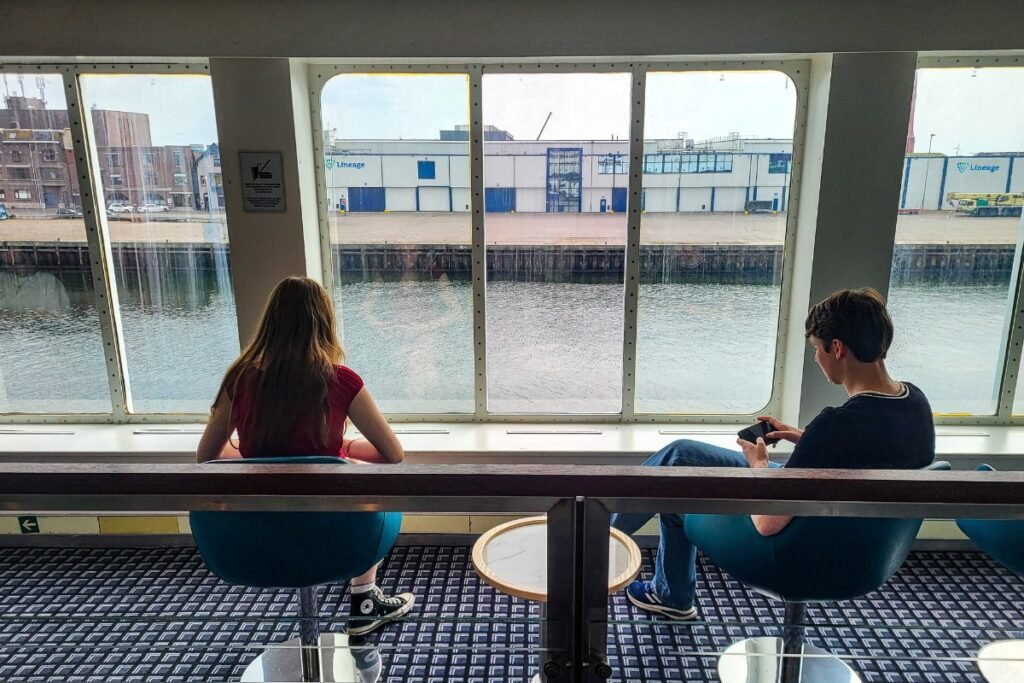
“This is a working freight ship, not a cruise liner. There are no fancy cabins or catering on board. Most regulars bring a heavy ‘swag’ or sleeping bag to unroll in the passenger lounge and pack a full day’s worth of food and water in a cooler, as the ‘onboard shop’ is non-existent.”