Home » Destinations » Cape Breton Island
Ferry to Cape Breton Island
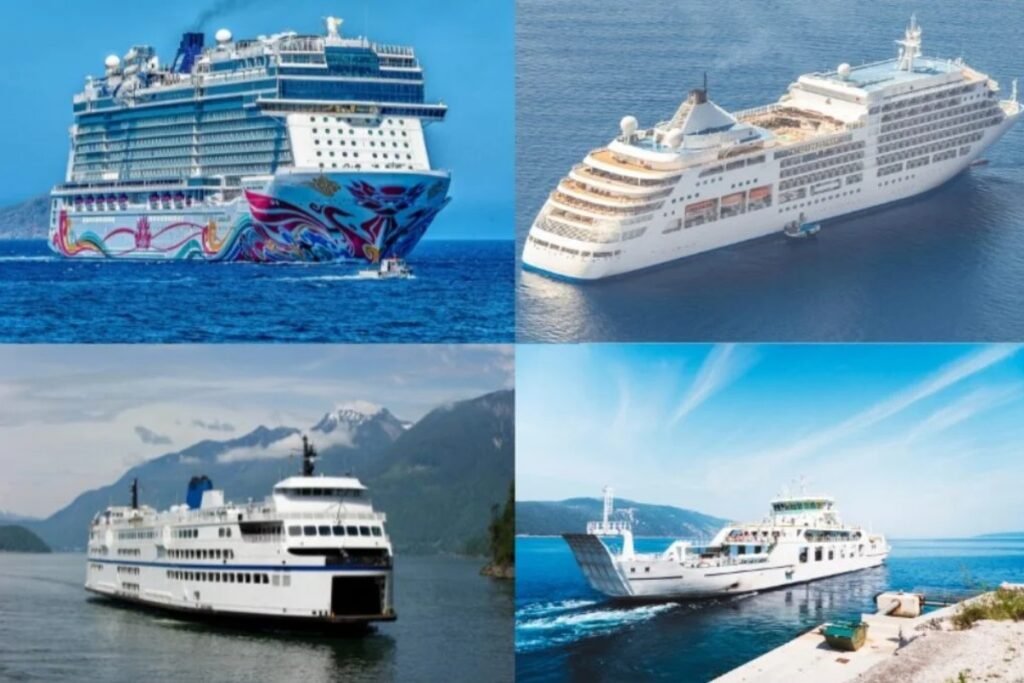
To get to Cape Breton Island by water, you take the Marine Atlantic ferry. As the largest operator in the region, they run massive ice-class vessels across the Cabot Strait from Port aux Basques or Argentia directly into North Sydney. While you can drive across the causeway from mainland Nova Scotia, this ferry is your only maritime link if you are traveling to Newfoundland. The crossing takes up to eight hours, so booking a cabin makes the journey much easier. Check the ferry map above to see how this route connects the Atlantic provinces.
From Nova Scotia to Cape Breton Island
Showing all 2 services

Route guide: Ferry logistics for Cape Breton Island
Cape Breton Island is often treated as a destination in itself, but for many travellers it is also the critical maritime gateway to Newfoundland. The key point is simple: if you are taking the major ferry from Cape Breton, you are not sailing from Sydney Harbour or from the Canso Causeway area. You need to drive to North Sydney, on the northeastern side of the island, where the Marine Atlantic terminal handles the main crossings across the Cabot Strait.
| Terminal / Access Point | Island Context | Logistics Score |
|---|---|---|
| Marine Atlantic Terminal (North Sydney) |
The Main Ferry Hub: This is the practical maritime exit point for Cape Breton Island if you are heading to Newfoundland with a car, camper, motorcycle, or on foot. | High Importance: This is where you board for Port aux Basques and, in season, Argentia. Missing the terminal or misjudging your drive time can wreck an entire Atlantic Canada itinerary. |
| Canso Causeway (Mainland access point) |
The Land Bridge: This is the fixed road connection between mainland Nova Scotia and Cape Breton Island. | No Ferry Here: Some travellers wrongly assume the island ferry departs near the causeway. It does not. You still need to continue across Cape Breton to North Sydney. |
| Sydney Harbour (Cape Breton Regional Municipality) |
The Wrong Urban Reference: Sydney is the best known city name on this part of the island, which causes confusion for first time travellers. | Common Mistake Zone: The Newfoundland ferry does not sail from downtown Sydney. The actual check in area is in North Sydney, farther north. |
Cape Breton looks spacious on the map, and many people combine the ferry with drives along the Cabot Trail or stops around Baddeck and Sydney. That creates one classic mistake: arriving at North Sydney too late. If you are checking baggage, there is a hard deadline before sailing, and once the loading sequence starts, the terminal works like a controlled marshalling zone rather than a casual harbour stop. Treat this as a transport operation, not a scenic day cruise.
Cape Breton ferry prep & route reality
- North Sydney is the real departure point: Program your GPS specifically to the Marine Atlantic terminal in North Sydney, not just “Sydney” and not “Cape Breton ferry” in a vague sense.
- There are two very different Newfoundland crossings: The Port aux Basques route is the standard link and much shorter, while Argentia is the longer sailing and changes the rhythm of your trip completely.
- ID matters at check in: This is not just a vehicle queue. Passengers are expected to present identification, including minors under the operator’s stated rules.
- Pets need more planning than people expect: Pet friendly cabins and other pet arrangements are limited. Do not assume you can sort this out at the terminal on the day of departure.
- Cabot Strait conditions can reshape the experience: Even when the ferry operates normally, wind and sea conditions can make the crossing feel very different from one sailing to the next. A night sailing without a cabin can feel much longer than the schedule suggests.
- Do not overpack hand baggage blindly: If you miss the checked baggage cutoff, you may end up hauling more through the terminal than expected, which is especially annoying with children or long vehicle queues.
“Cape Breton Island is the last major land stop before Newfoundland, and North Sydney functions more like a controlled transport gate than a tourist pier. Once you understand that, the ferry becomes easier: sleep near the terminal, arrive early, and do not let a scenic island detour make you miss the ship.”
Using this ferry data helps you understand that the real logistical pivot on Cape Breton Island is North Sydney, not Sydney proper and not the Canso Causeway. Check specialized maps to plan the drive from the terminal and connect it with routes across the Cabot Trail or onward travel into Newfoundland.