Mexico Ferry Map
The ferry system in Mexico is primarily defined by two major regions: the Caribbean island links of the Yucatán Peninsula and the long-distance trans-peninsular routes of the Sea of Cortez. In the east, high-frequency passenger catamarans serve as the primary bridge between the mainland and hubs like Cozumel and Isla Mujeres. In the west, the network is much more industrial, with large vessels bridging the gap between Baja California Sur and the Mexican mainland. Because of the different operators and international requirements for foreign vehicles, navigating these docks requires more administrative preparation than a typical domestic crossing in the north.
Explore ferry routes in Mexico
Things to know before you board a ferry in Mexico
Before you head to the pier, here are some simple tips to make your crossing easier and avoid any last-minute surprises.
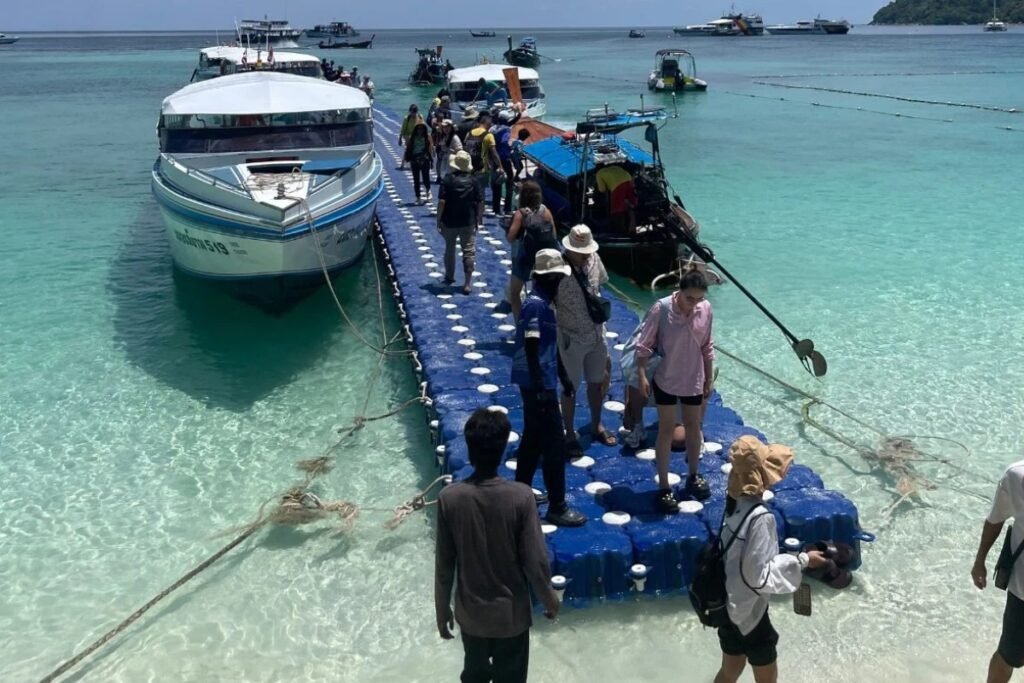
- If you want the fastest and most frequent trip to Isla Mujeres you should skip the hotel zone docks and head straight to the Puerto Juárez terminal.
- Taking a vehicle to the mainland from Baja requires a Temporary Import Permit which you must have in hand before they even let you buy a ferry ticket.
- The two main companies to Cozumel, Ultramar and Winjet, usually alternate their schedules so it is often better to just buy a ticket at the pier for the next departing boat.
- All ferries for the Sea of Cortez actually leave from the port of Pichilingue which is a short drive north of downtown La Paz.
- You can choose between Baja Ferries for a more comfortable passenger experience or TMC if you prefer a more basic cargo-style trip.
- Most Caribbean passenger ferries charge a small port fee or tourist tax at the gate that is often not included in the price of your ticket.
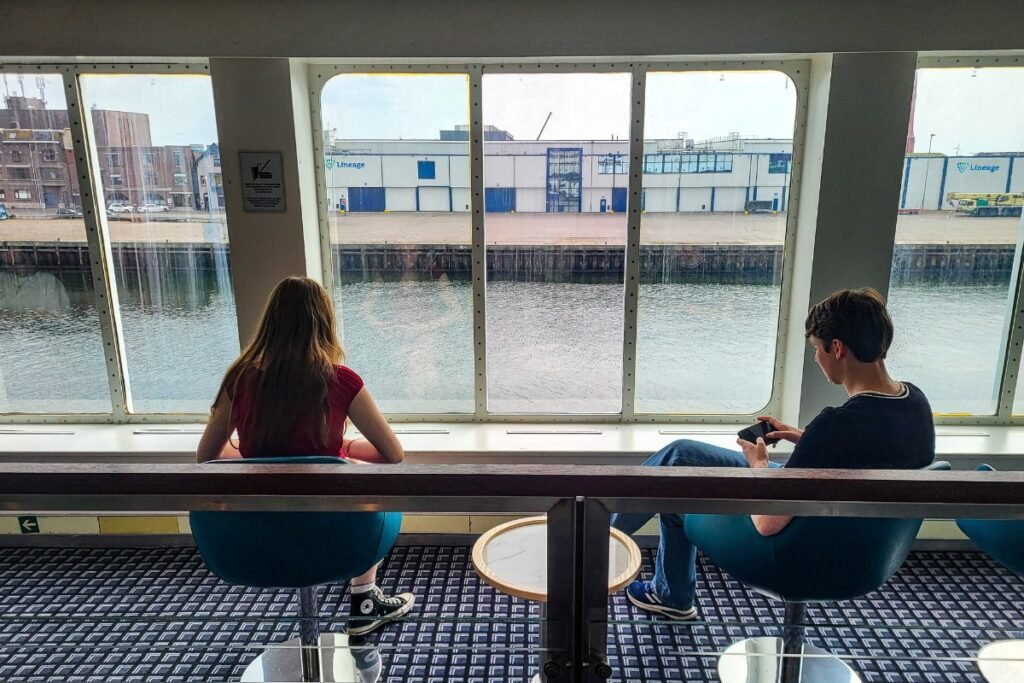
- You should bring a jacket for any ferry trip because the air conditioning inside the cabins is usually kept at freezing temperatures regardless of the heat outside.